Ranges, not rules
Where the evidence gives a range, we publish the range. A wake-window chart presented as law is a chart that will make a parent feel like a failure on a Tuesday.
Wake windows, nap schedules and the four-month change — with the numbers, the sources and the caveats attached.
Find your baby's windowRead the schedule tablesPDF bundles & TOG tools
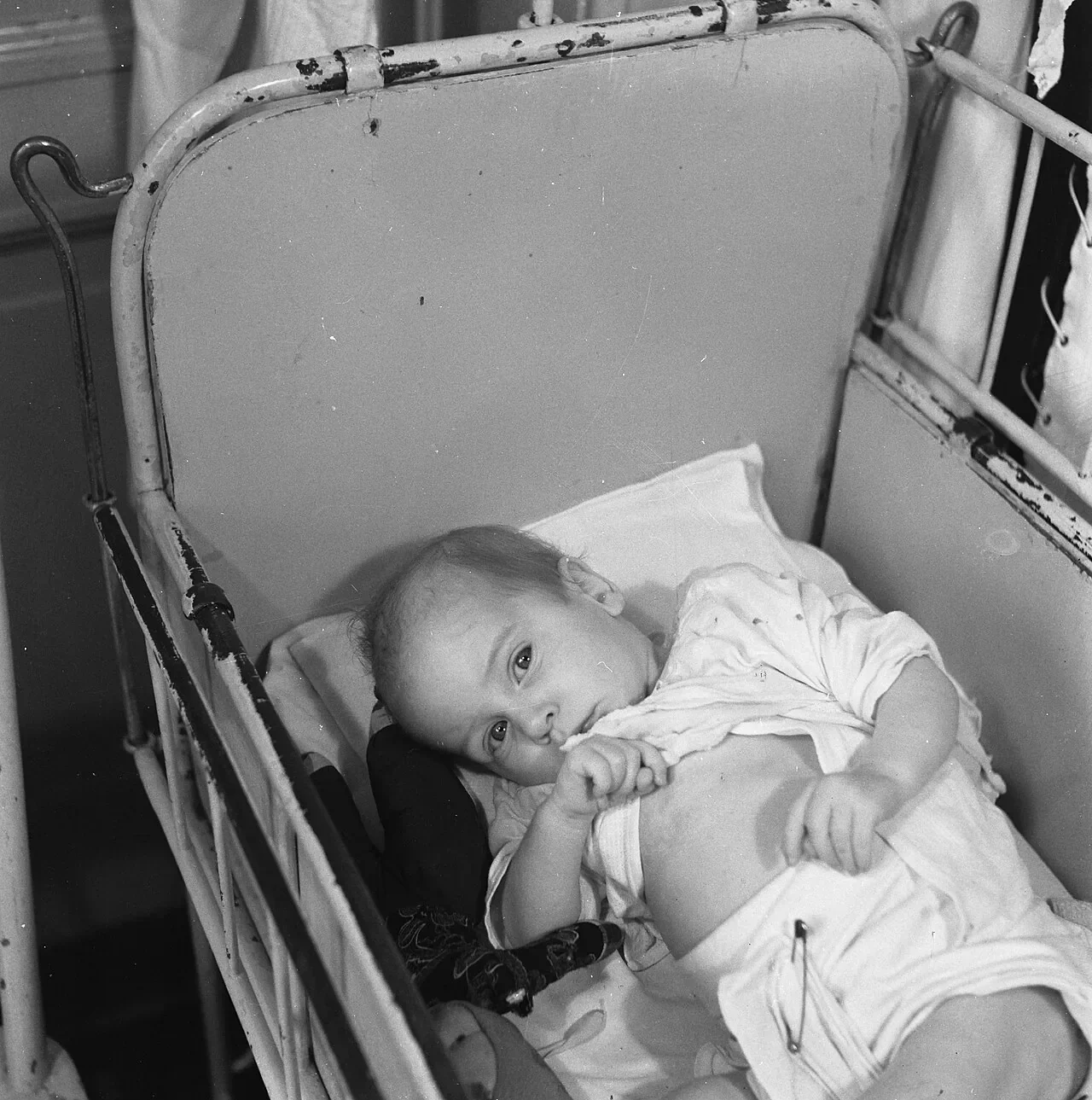
Your baby is a range,
not a rule.
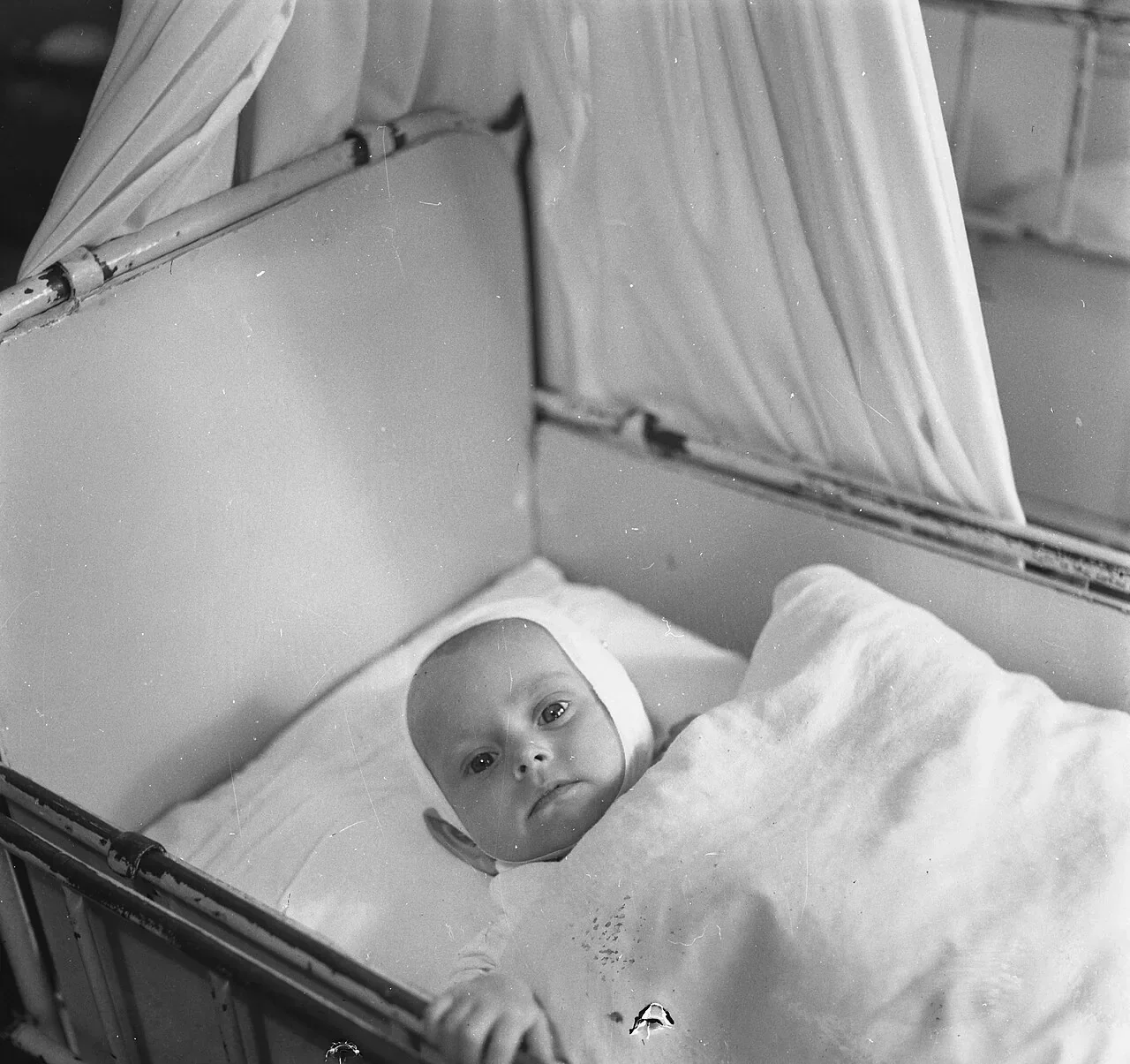
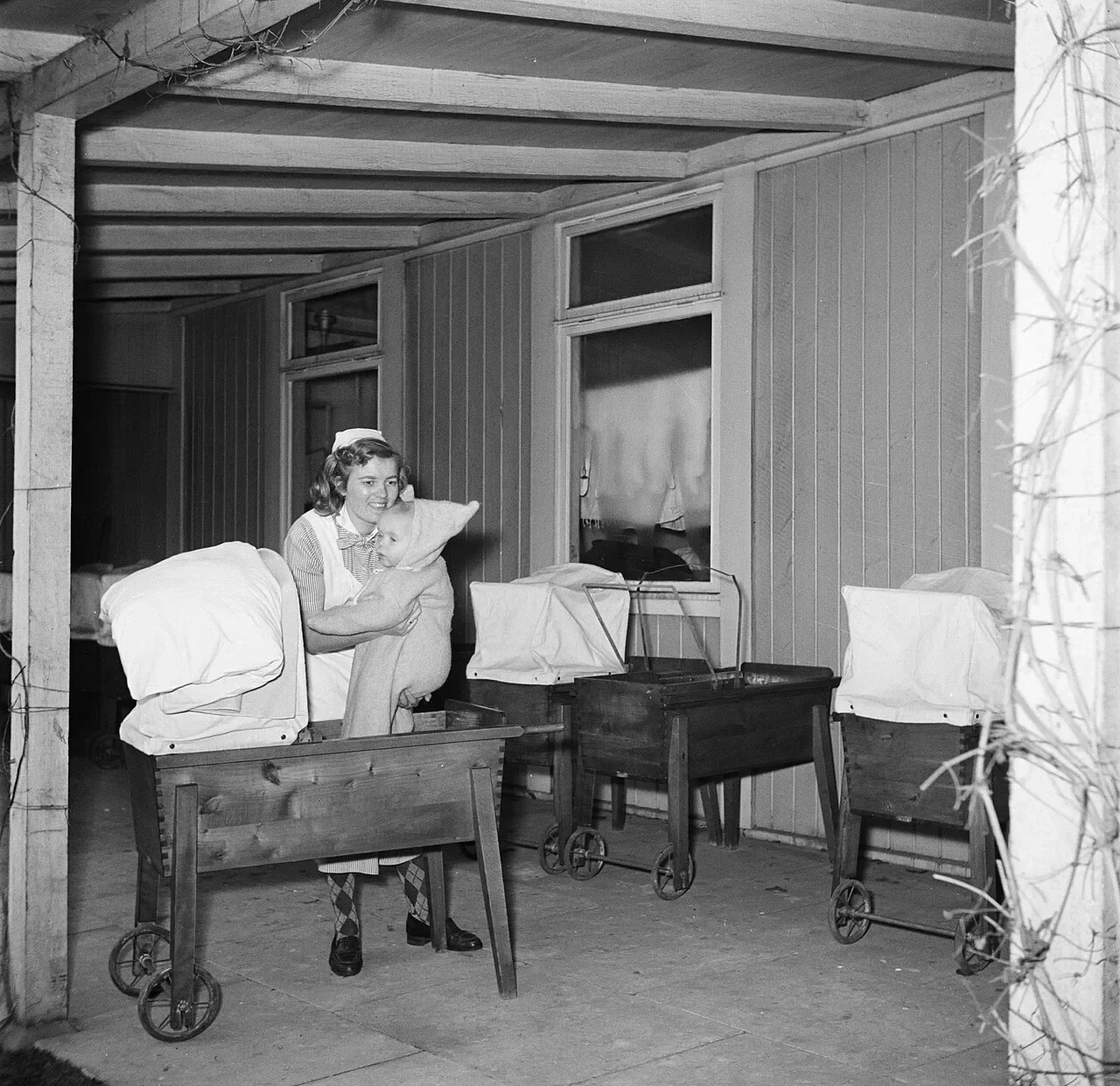
The same three numbers for every age band: hours of total sleep, how many naps, and how long a baby can comfortably stay awake.
| Age | Awake between sleeps | Naps | Sleep in 24 h |
|---|---|---|---|
| 0–1 month | 45–60 min | 5–8 | 14–17 h |
| 3–4 months | 90–120 min | 3–4 | 12–16 h |
| 5–6 months | 120–150 min | 3 | 12–16 h |
| 9–12 months | 180–240 min | 2 | 12–16 h |
| 18–24 months | 300–360 min | 1 | 11–14 h |
Full tables for every band, including a worked example day, are onthe schedules page. Total sleep follows theAASM 2016 consensus statement.
Set the age and the time your baby woke up. The calculator lays out the naps and the bedtime that follow from the middle of the range.
1.5–2hours awake
3–4 naps · 12–16 h of sleep in 24 hours
A template, not a prescription. Wake time drives everything after it, so shift the whole day by however much your baby actually wakes.
Three to start with: the numbers, the four-month change, and an honest comparison of the methods.
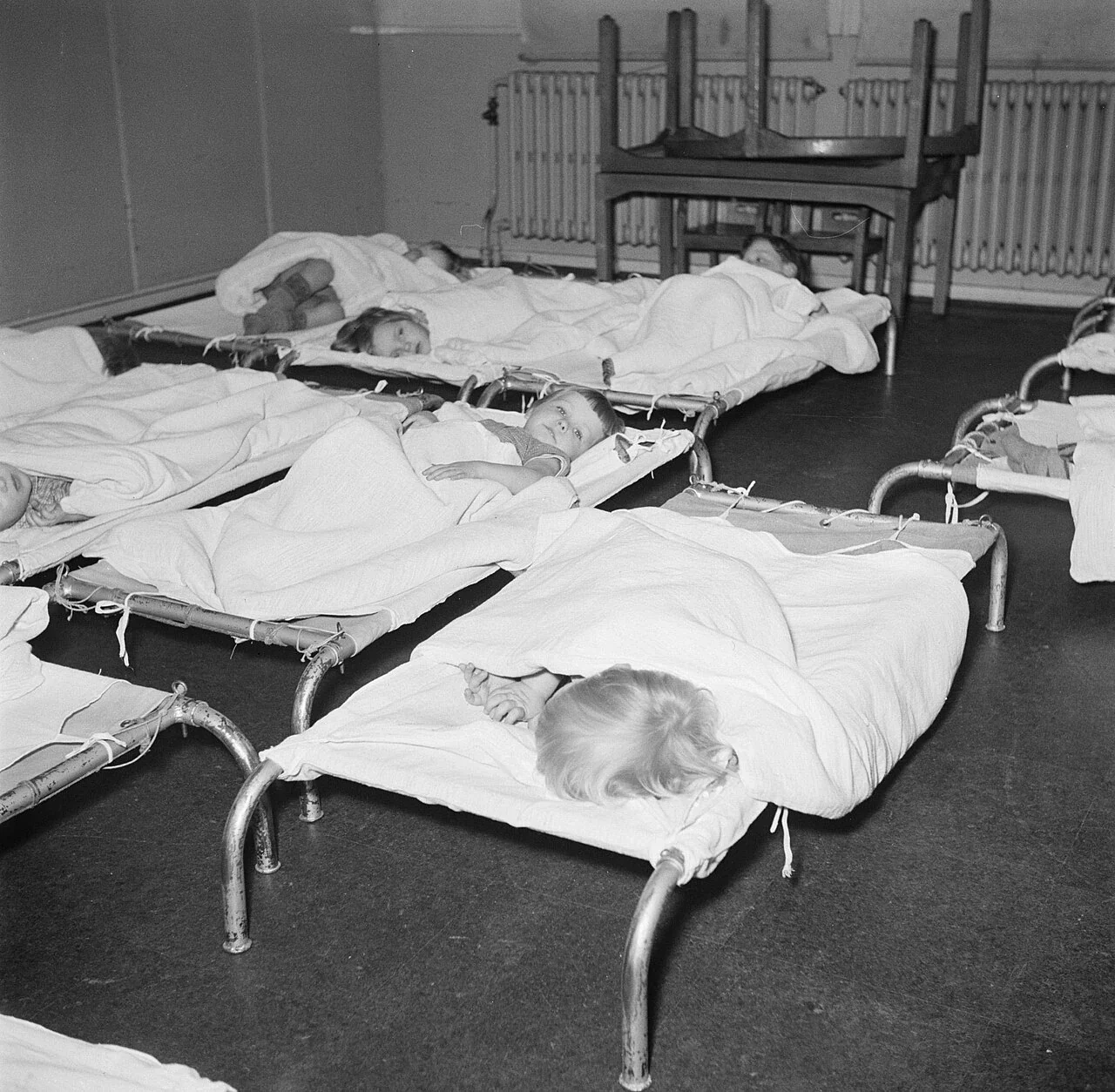
Sleep routine for a 9, 10, 11, or 12 month old: 3 to 4 hour wake windows, 2-nap clock schedule, why the 12-month nap strike is fake, and standing in the cot.
3, 4, and 5 month old sleep schedules with exact wake windows (1.5 to 2.5 hours), the 4-to-3 nap transition, 30-minute nap fixes, and worked 7am timetables.
6, 7, and 8 month old sleep schedules: exact wake windows (2 to 3.5 hours), how and when to drop from 3 naps to 2 naps, solids timing, and worked 7am routines.
Three commitments, and the reason they matter more than a longer article.
Where the evidence gives a range, we publish the range. A wake-window chart presented as law is a chart that will make a parent feel like a failure on a Tuesday.
Every guide ends with the studies and guidance it used, linked. Total sleep figures come from the AASM consensus statement; practice guidance comes from the AAP and the NHS.
Each guide carries the day it was published and the day it was last changed. If nothing has changed, the date has not moved.
The short answers. The long ones are in the guides.
Total sleep ranges come from the American Academy of Sleep Medicine's 2016 consensus statement. Wake windows are drawn from paediatric sleep practice, and we label them as ranges because that is what the evidence supports. Every guide lists its sources at the bottom.
No. Sleep Schedule Lab is an educational resource. If your baby was born early, has reflux, breathing difficulties or a developmental condition, or is not feeding and gaining well, speak to your paediatrician or health visitor before changing anything.
Start with the schedule table for your baby's age, then read the guide for that age band. If you are in the middle of a regression, read that guide first — the schedule will make more sense afterwards.
We compare methods rather than recommend one. The honest position is that structured behavioural approaches work in the short term, the evidence of harm is weak, and families who choose not to sleep train are not doing anything wrong.
Guides carry a published and a reviewed date. When a source changes, the guide changes and the date moves. We do not publish a date we have not touched.
Yes, with one adjustment: treat the ranges as ranges and expect two different babies. A shared routine is possible from around four months, but forcing one twin onto the other's window usually produces a worse week than following each baby's signals.